
COMMERCIAL SEPTIC INSTALLATION IN THE EAST MOUNTAINS
Get A Septic System For yoUr Business
A commercial septic system has to handle the flow your business actually generates, on the ground your property actually has, and meet the stricter review a commercial install triggers. We design and install systems engineered for all three...sized for your operation and built to last.
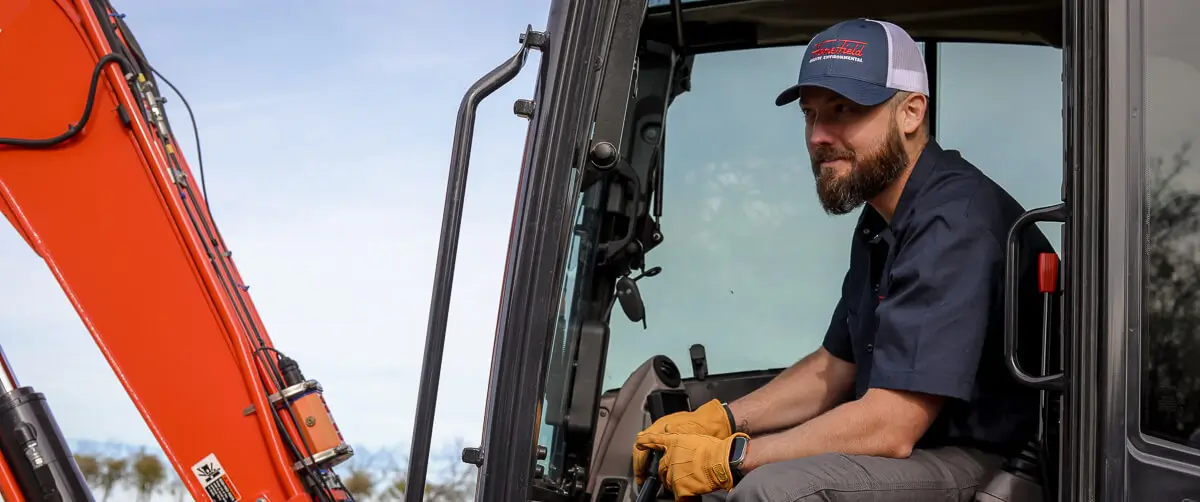
We design and install commercial systems that meets the needs of your business along with every state and local New Mexico code requirements.

What To Consider With
A Septic Install
Whether you’re starting a new venture or have outgrown your old septic system, our commercial septic installations get you the right system for your business needs.
Top Questions To Consider:
- Are You Needing A Completely New System?
- Did Something Damage Your Old System?
- Or Did You Outgrow Your Old Septic System?
- Is Your Septic System Up To Code?
- Does Your Current System Allow For Growth?
Put Your Shovel Down And Let Us Install Your Commercial Septic System
WHAT YOU SHOULD KNOW ABOUT
Commercial Septic Installation
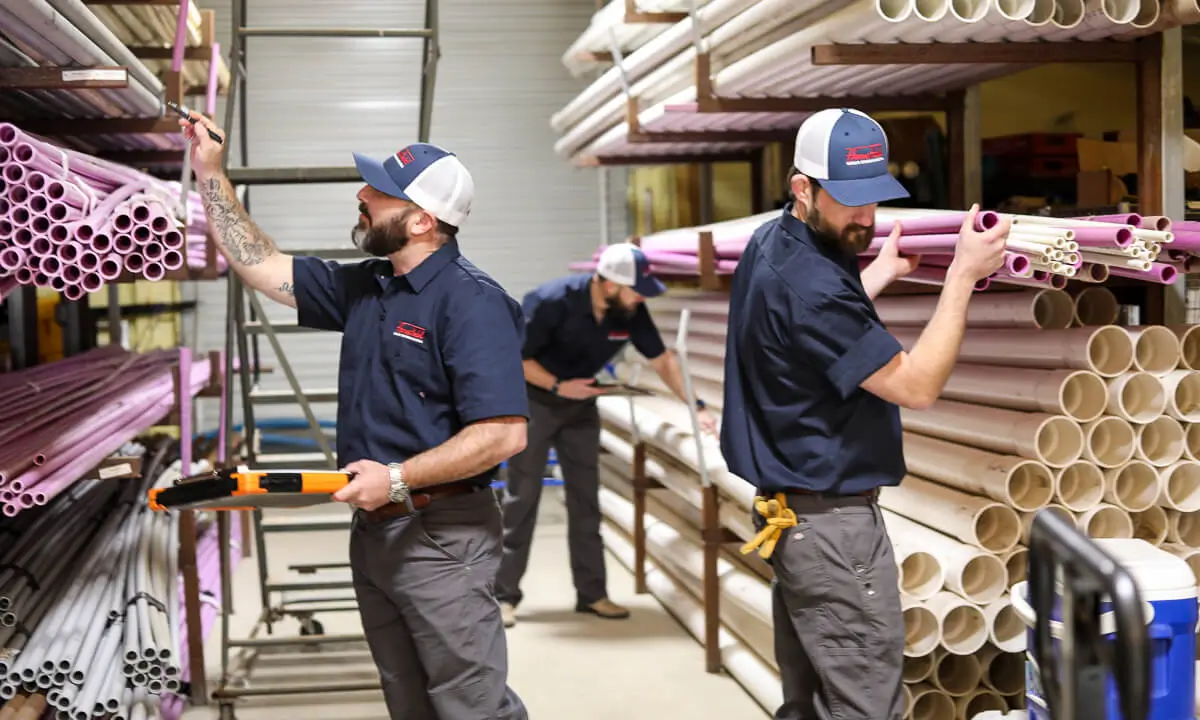
What Makes A Commercial Septic Install More Complex?
Design flow is the short answer. A commercial system is sized to projected daily wastewater volume, and for a restaurant, school, church, or venue that number is large and uneven...heavy at peaks, light between. On top of volume, food-service operations add grease, which means grease interceptors and a system designed to handle a load that would wreck a residential setup.
Then our ground raises the bar further. Higher flow has to be dispersed, and on Sandia decomposed granite or over Estancia Valley caliche, dispersing commercial volumes usually rules out a simple drainfield and calls for an engineered, advanced-treatment system. So a commercial install here is really two hard problems solved together: an engineered design that satisfies the flow calculations and a dispersal system the soil can actually carry. That's a different undertaking than dropping in a home system, and it's why the planning up front is so thorough.
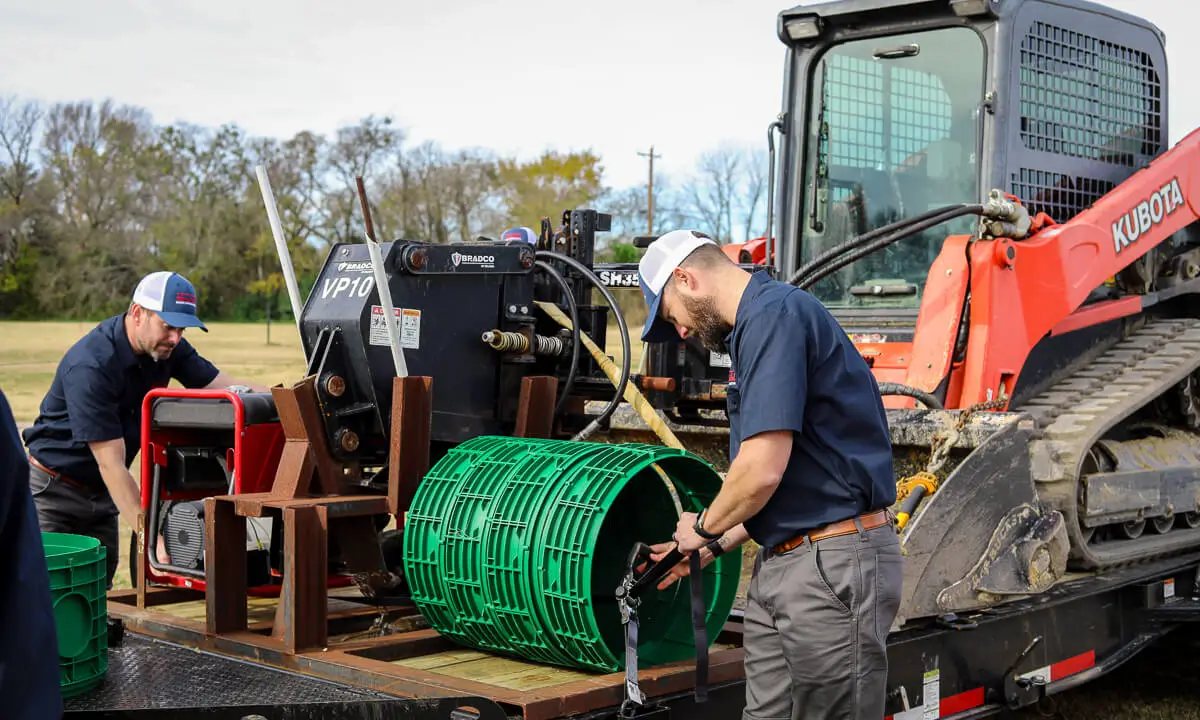
How Do You Determine What My Business Needs?
We start from two numbers and let them drive everything. The first is your design flow, modeled from your business type, occupancy, and fixtures (what the property will actually put through the system on a peak day). The second is what your ground will accept, established by a soil-profile pit and percolation test. Those two numbers set the engineering: tank capacity, the treatment method (almost always advanced for commercial flow on our soils), grease management for food service, and the size and layout of the dispersal field.
In unincorporated Bernalillo County the soil class under the county ordinance shapes what the lot can carry; under NMED elsewhere the soil profile does. Either way, commercial leaves far less room for guesswork than residential (undersize it and you get failures, compliance problems, and downtime) so the up-front evaluation is detailed by necessity, and we build in headroom for a business that grows.
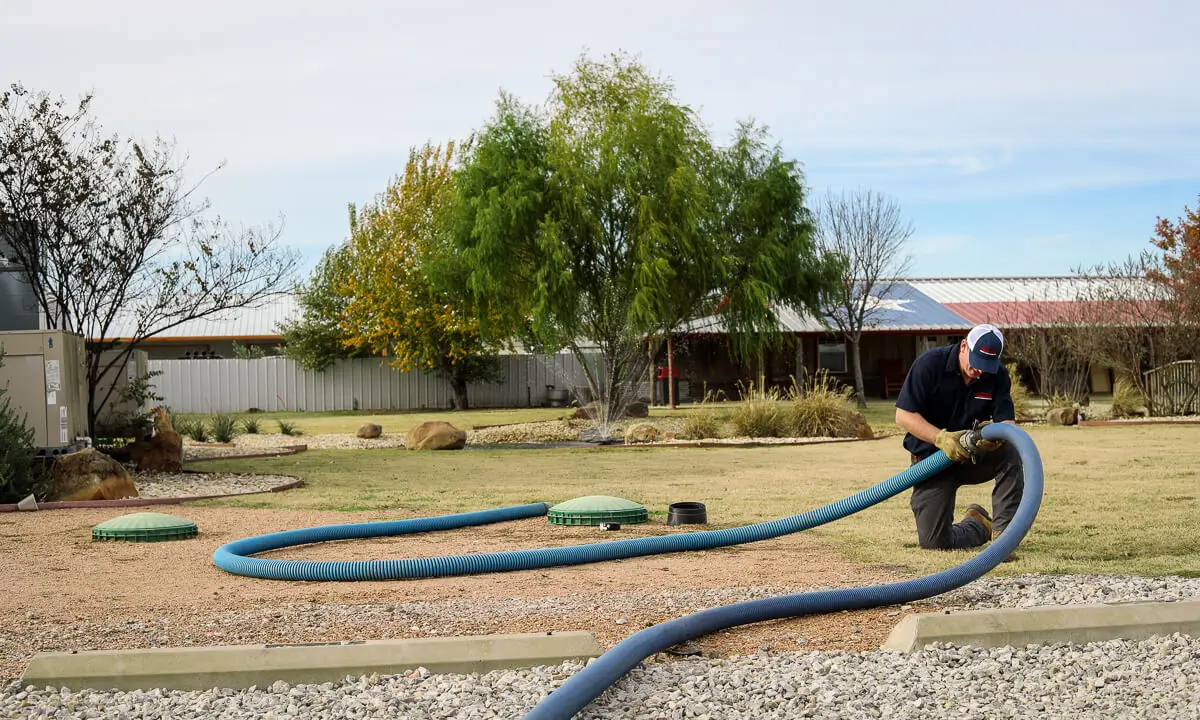
What Does Permitting And Cost Look Like For Commercial?
Commercial installs face closer scrutiny and usually require engineered plans (reviewed by NMED, or by the Bernalillo County program in the unincorporated communities). We know what each authority expects for a commercial system and manage the design, engineering, and permit together so the project doesn't stall between a designer and a reviewer.
On cost, the honest drivers are flow, soil, and grease: a higher-flow operation needing advanced treatment and a large engineered field on rocky or caliche ground is a real capital project, and we quote the whole of it rather than a piece. We'd rather tell you up front that your flow needs a bigger system than sell you a cheaper one that fails in three years and takes your operation down with it. Being local keeps the site visits, deliveries, and crew time from carrying city travel premiums.
How Does HomeField Do Commercial Installation Differently?
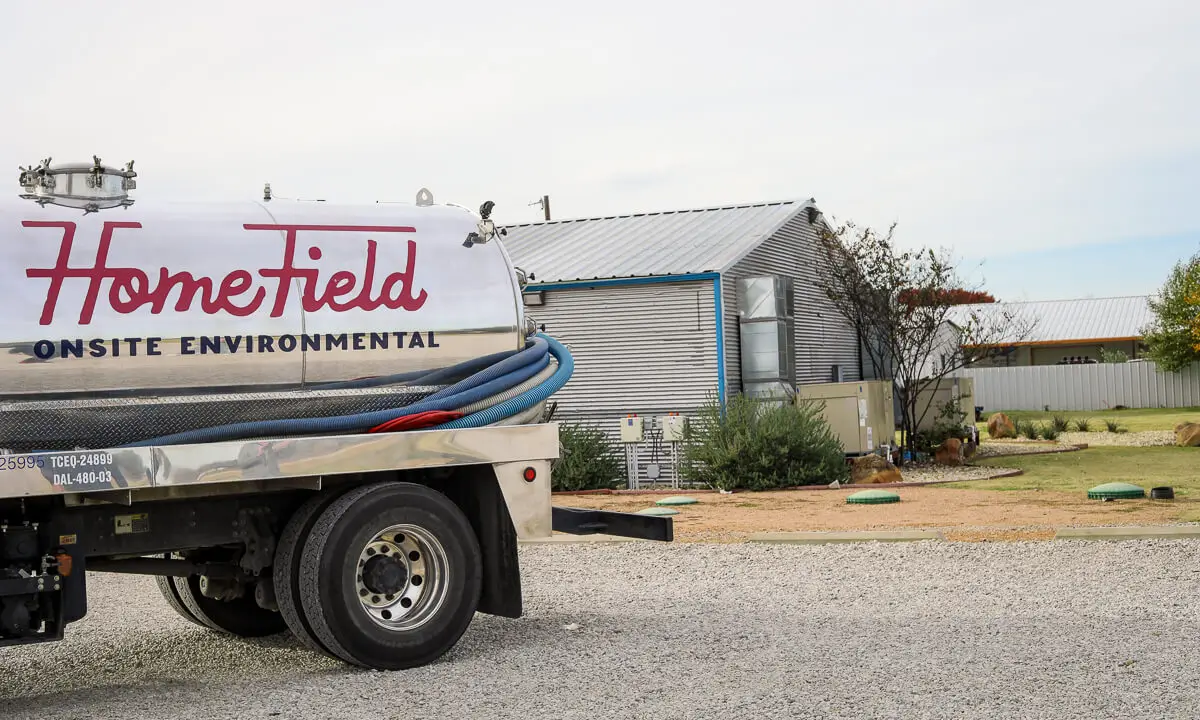
We engineer for the real load and the long haul, then service what we build. That means sizing honestly for your peak flow with room to grow, designing the dispersal system for the ground that's actually there instead of a generic spec, and getting it permitted right the first time so you're not re-engineering mid-project.
Because a commercial failure is a business problem, we build in the maintainability and the headroom to keep it from becoming one...and because the same local team maintains what we install, we design with the first inspection and every service after already in mind. You get a system matched to your operation and your property, permitted cleanly, installed to carry the load for years.
TESTIMONIALS
What Our Customers Are Saying About Us
We’re here to give our customers around New Mexico peace of mind whenever they think about their septic system. Here’s what they’ve been saying...
OUR PROCESS
The Game Plan For Your Septic System Installation
Whatever commercial system you’re installing, you need to get your new system into the ground, hooked up, and ready for operation. We make that happen for you.

We’ll Assess The Area First
We’ll evaluate your site and soil to see if they’re suitable for your system, then get the permits and approvals we need to start.

We Dig Your Tank’s Home
We’ll dig the perfect size home for your septic tank along with any trenches your system might need to connect to the rest of its parts.

Position And Connect
OK, this part IS technical, but in short we’ll put your septic tank in place then securely connect the parts that make up your septic system.

Installing Your Home Field
Next we’ll install the right type of dispersal field for your specific septic system, giving your treated wastewater somewhere to go.

We’ll Make Sure It Works
We’ll inspect your completed septic system, make sure it works, ensure it meets all of your regional codes, and then tidy up around your property.
Get Your New System Installed...


OUR SERVICE AREA
WE LOVE OURHOME TURF
We proudly serve the cities and towns of our home turf here in the East Mountains, including: