
Dishwashers on Septic Systems
February 4, 2026
One of the most common questions homeowners ask is simple but important. Can I use a dishwasher on a septic system? The short answer is yes. The longer answer depends on how you use it and how well your system is maintained.
A dishwasher is not bad for septic systems by default. Problems start when water use, food waste, and maintenance fall out of balance.
How a Dishwasher Affects Your Septic System
Dishwashers send a large amount of water into your septic tank in a short period of time. That surge matters.
When too much water enters the tank at once, solids do not have enough time to settle. Instead, they can move toward the drainfield. Over time, this can lead to clogs, poor drainage, and expensive repairs.
Food particles also play a role. Even small scraps add to the solid load in the tank. More solids mean the tank fills faster. That leads to more frequent pumping needs.
Detergents matter too. Harsh or antibacterial products can disrupt the natural bacteria in your tank. Those bacteria are critical for breaking down waste.
Best Dishwasher Habits for Septic Homes
Using a dishwasher safely comes down to smart habits.
Run the dishwasher only when it is full. This reduces unnecessary water flow. Spread water use throughout the day. Avoid running laundry and the dishwasher at the same time.
Scrape plates into the trash instead of relying on the garbage disposal. Less food waste helps your tank work better.
Choose septic safe detergents. Look for products without antibacterial additives. Your system depends on healthy bacteria to function properly.
These small choices make a big difference over time.
Why Pumping Still Matters
Using a dishwasher on a septic system is not the problem. The real issue is what happens when routine maintenance gets ignored.
Even with good habits, solids continue to build up inside the tank. Those solids do not break down completely or disappear. Over time, they take up space and reduce how well the system functions. Routine pumping removes that buildup before it creates bigger problems.
Pumping also allows trained professionals to see what is happening inside the system. Many septic issues develop quietly, without obvious warning signs. By the time a backup or drainfield issue appears, the damage is often already done.
Smart dishwasher use helps manage water flow and solid waste, but it does not replace maintenance. If your septic system is used every day, pumping is what keeps everything working the way it should.
Dishwashers are part of modern life. Regular pumping is what makes using them on septic possible long term.


Heidi
Heidi is the marketing and business development powerhouse at HomeField Onsite Environmental. She’s all about bringing the onsite wastewater world to life with knowledge, humor, and straight-up valuable insights—helping customers make the best decisions for their systems!
Other Top Posts:

Alignment Over Hustle
Alignment over hustle is the shift most septic businesses need but few…

Your Team Is Your Brand
Your Team Is Your Brand Many business owners think branding starts with…
Sign Up For Our Newsletter
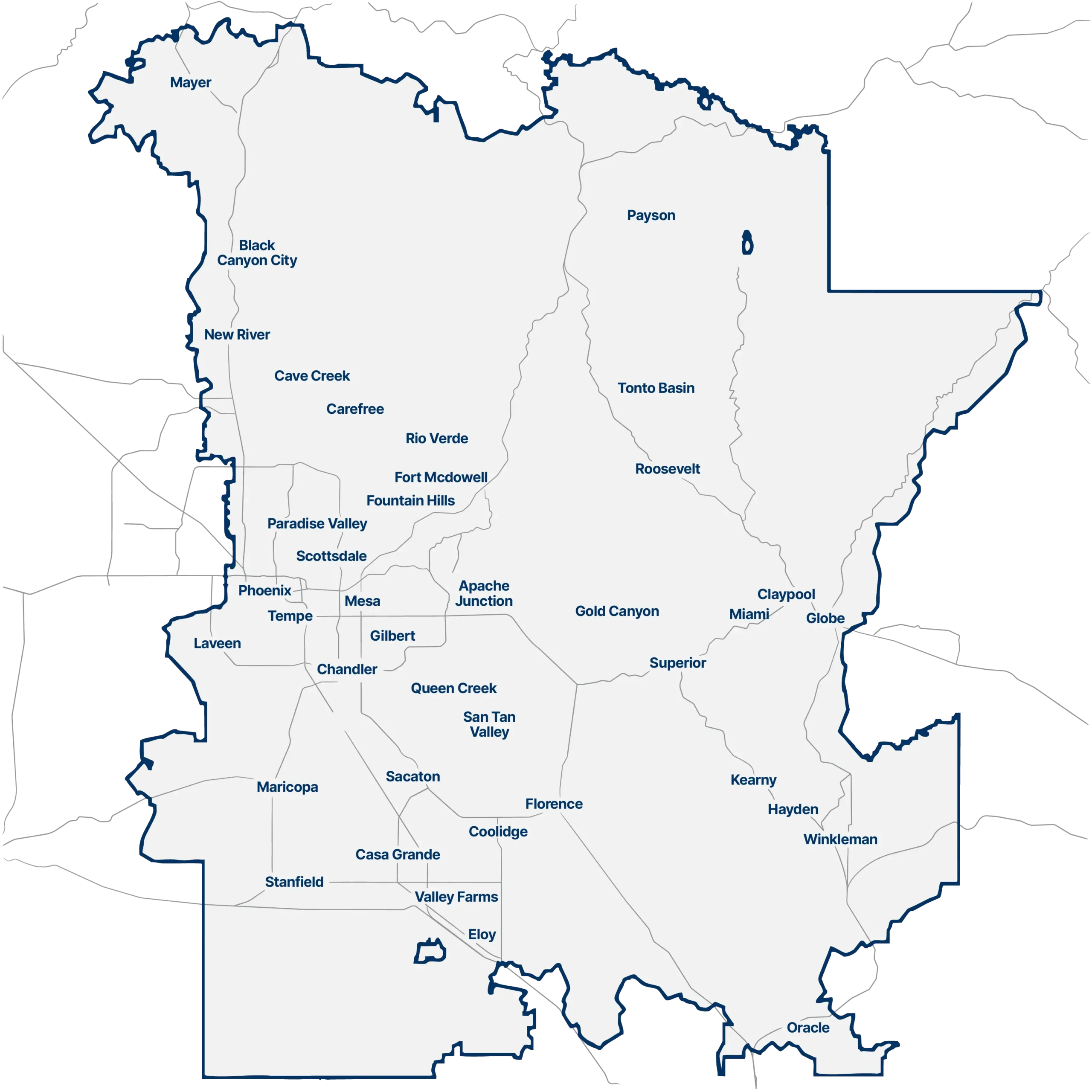
OUR SERVICE AREA
WE LOVE THE EAST VALLEY
We make the East Valley our home base, and proudly serve the cities and areas on this side of town, including: