Tips & Tricks
Setback Requirements
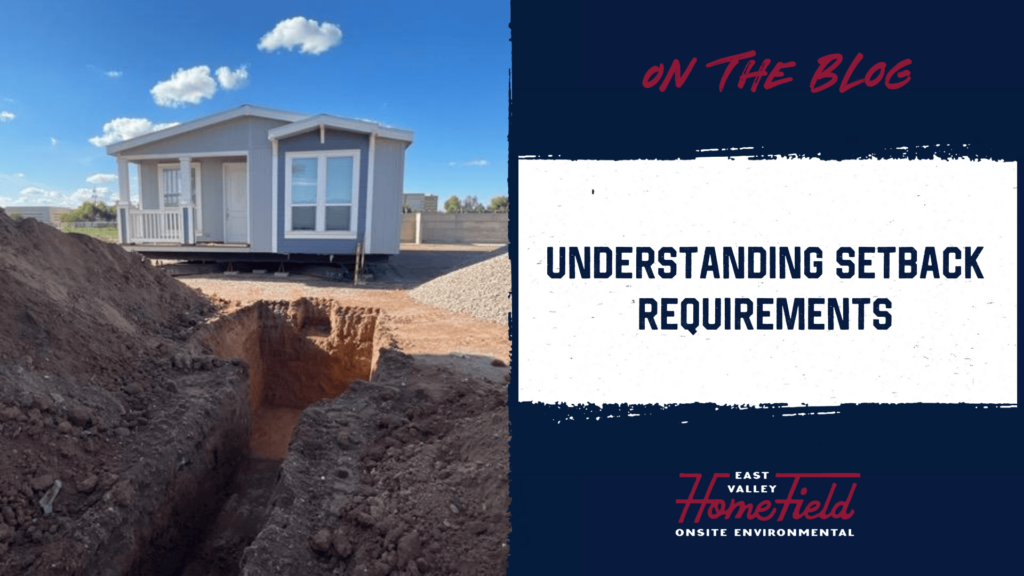
Setback requirements are crucial for maintaining the health and function of your septic system. These regulations outline the minimum distance structures must maintain from septic components like your tank and drainfield. Following these requirements helps your system perform properly and protects you from costly repairs or code violations in the future. What Are Septic System…
Read MoreResidential Holiday Septic Tips

The holidays are here, and that means family gatherings, festive meals, and more traffic through your plumbing system. To keep everything flowing, it helps to follow a few residential holiday tips designed to protect your septic system. Here’s how to keep your celebrations stress-free and your drains clog-free. Holiday Septic Tips for a Clog-Free Season…
Read MoreThanksgiving Cheer

Thanksgiving is all about gathering with loved ones, sharing a great meal, and creating lasting memories. The last thing you want is a septic backup stealing the spotlight. If you’re hosting this year, now is the perfect time to make sure your septic system is ready to handle the extra load. Thanksgiving cheer can quickly…
Read MoreCommercial Farms and Agricultural Businesses
Farms and agricultural properties rely on septic systems to manage wastewater safely and efficiently. A properly designed and maintained system not only keeps daily operations running but also protects the surrounding environment. For commercial setups, that system needs to be able to handle more volume and a wider variety of waste than a typical residential…
Read MoreNational Preparedness Month 2024
September is National Preparedness Month. Being ready for emergencies means more than just having an emergency kit and a plan. It also means ensuring that your home’s essential systems, like your septic system, are in top shape. Regular septic maintenance is crucial for emergency preparedness. Prevent Unexpected Failures Imagine a natural disaster strikes, and your…
Read MoreThe Hidden Dangers of “Flushable” Wipes
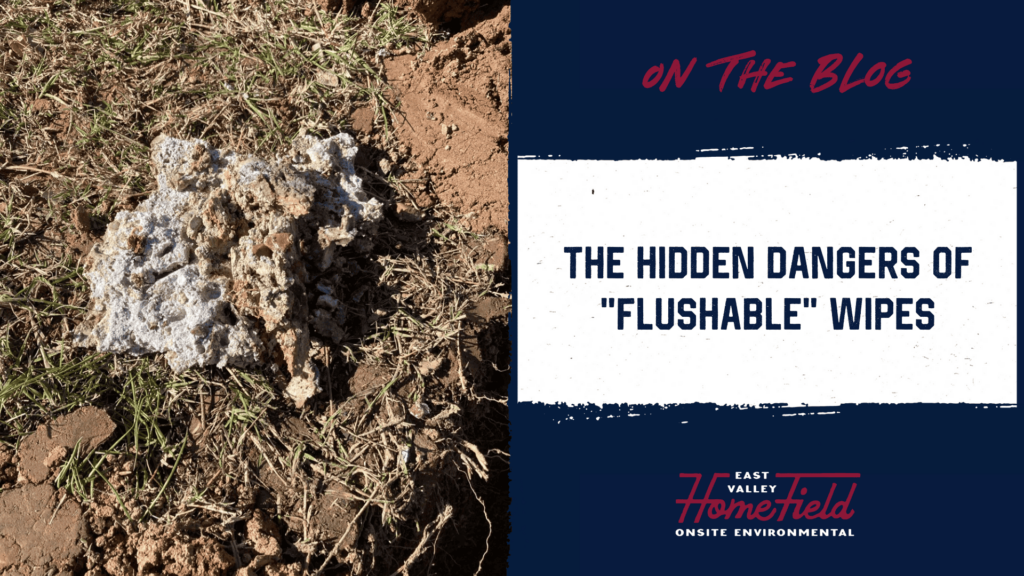
Flushable wipes are everywhere these days. They’re advertised as an upgrade from toilet paper—stronger, cleaner, and, supposedly, safe to flush. But when it comes to your septic system, these wipes aren’t as harmless as the packaging would have you believe. At HomeField Onsite Environmental, we’ve seen the damage firsthand. And while the convenience may be…
Read MorePrep Your Septic
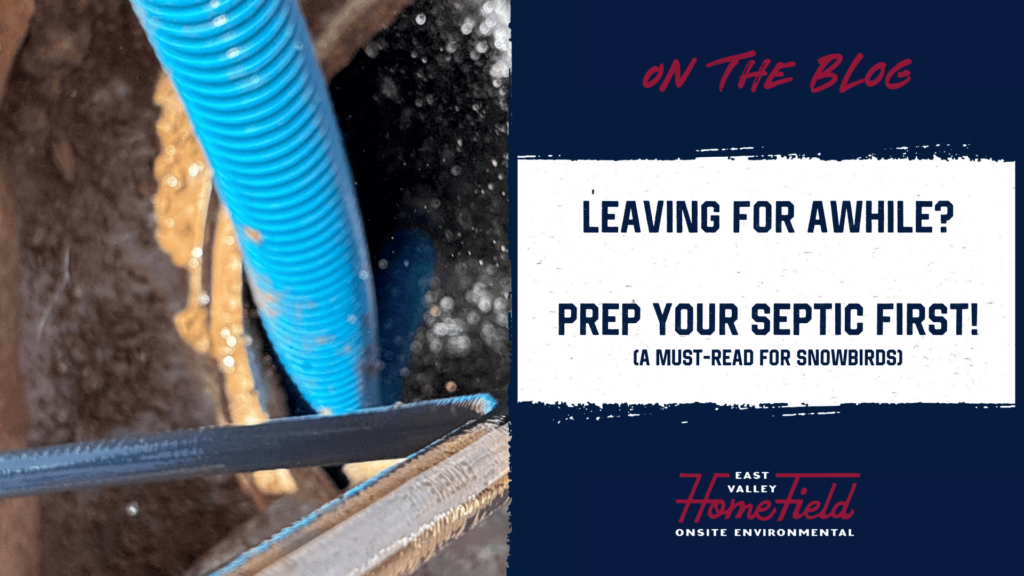
When you’re heading out of town for more than a few days, don’t just pack your bags. Prep your septic system before you lock the door. Extended time away from home can lead to surprises when you return, especially if your system hasn’t been properly maintained. A little planning now can help prevent odors, backups,…
Read MoreWhat Are FOGS?
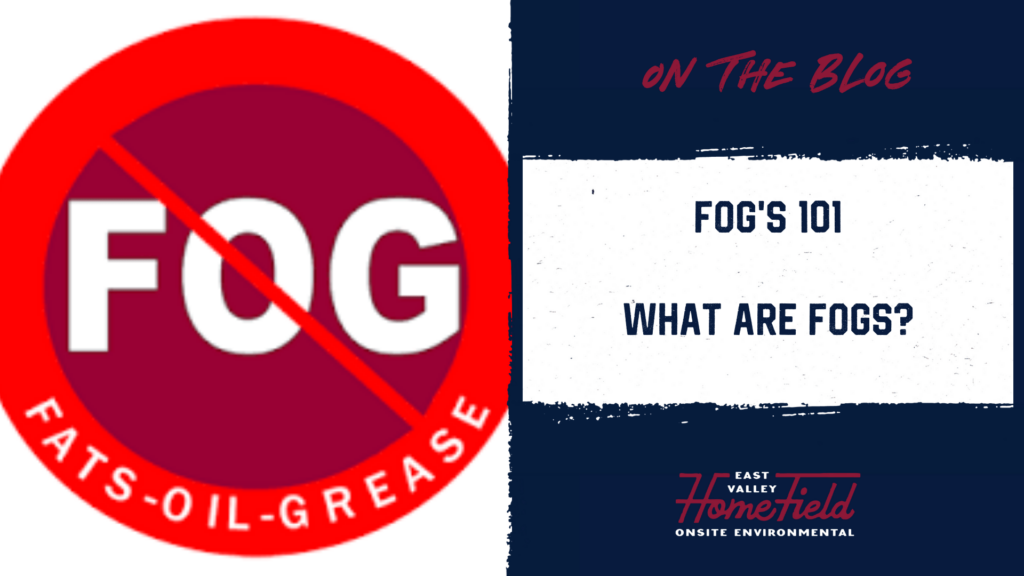
FOGS are fats, oils, and greases, and they play a bigger role in wastewater than most people realize. Whether you are a homeowner or run a busy commercial kitchen, FOGS can create serious issues for plumbing, septic systems, and city sewers when they are not managed correctly. Why FOGS Matter in Wastewater When FOGS enter…
Read MoreLandscaping Wisdom
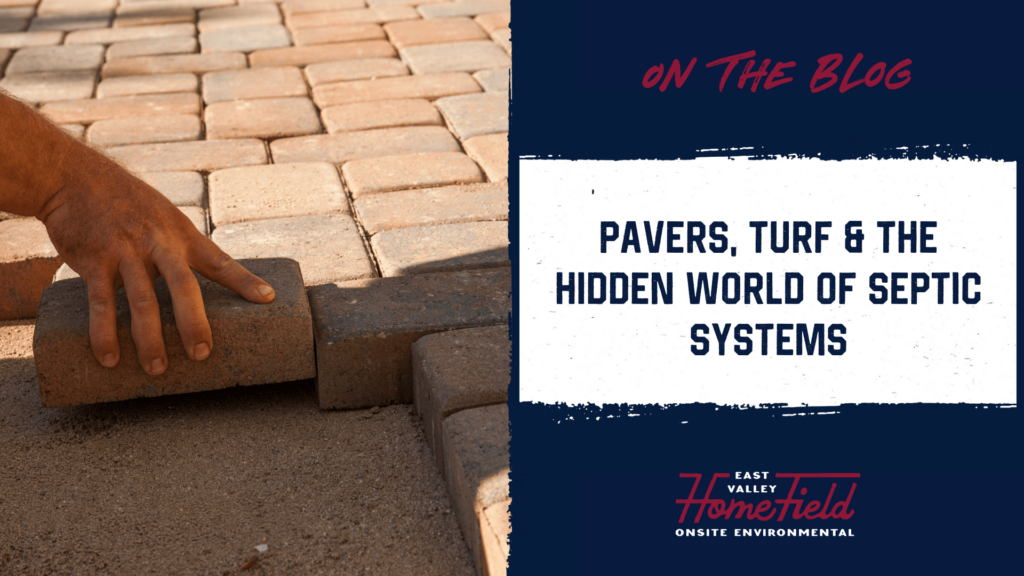
Every homeowner wants a beautiful yard, but landscaping wisdom means thinking about more than pavers and turf. Your septic system plays a vital role beneath the surface and overlooking it during a project can create expensive issues. A little planning protects your outdoor vision and your wastewater system at the same time. Landscaping Wisdom and…
Read MoreWhat Are The 3 P’s Of Septic?
Flush Only the 3 P’s: Pee, Poo, and (Toilet) Paper If your home has a septic system, the number one rule is simple: only flush the 3 P’s. That stands for pee, poo, and toilet paper. These are the only materials your septic system is designed to handle. Everything else should go in the trash,…
Read More