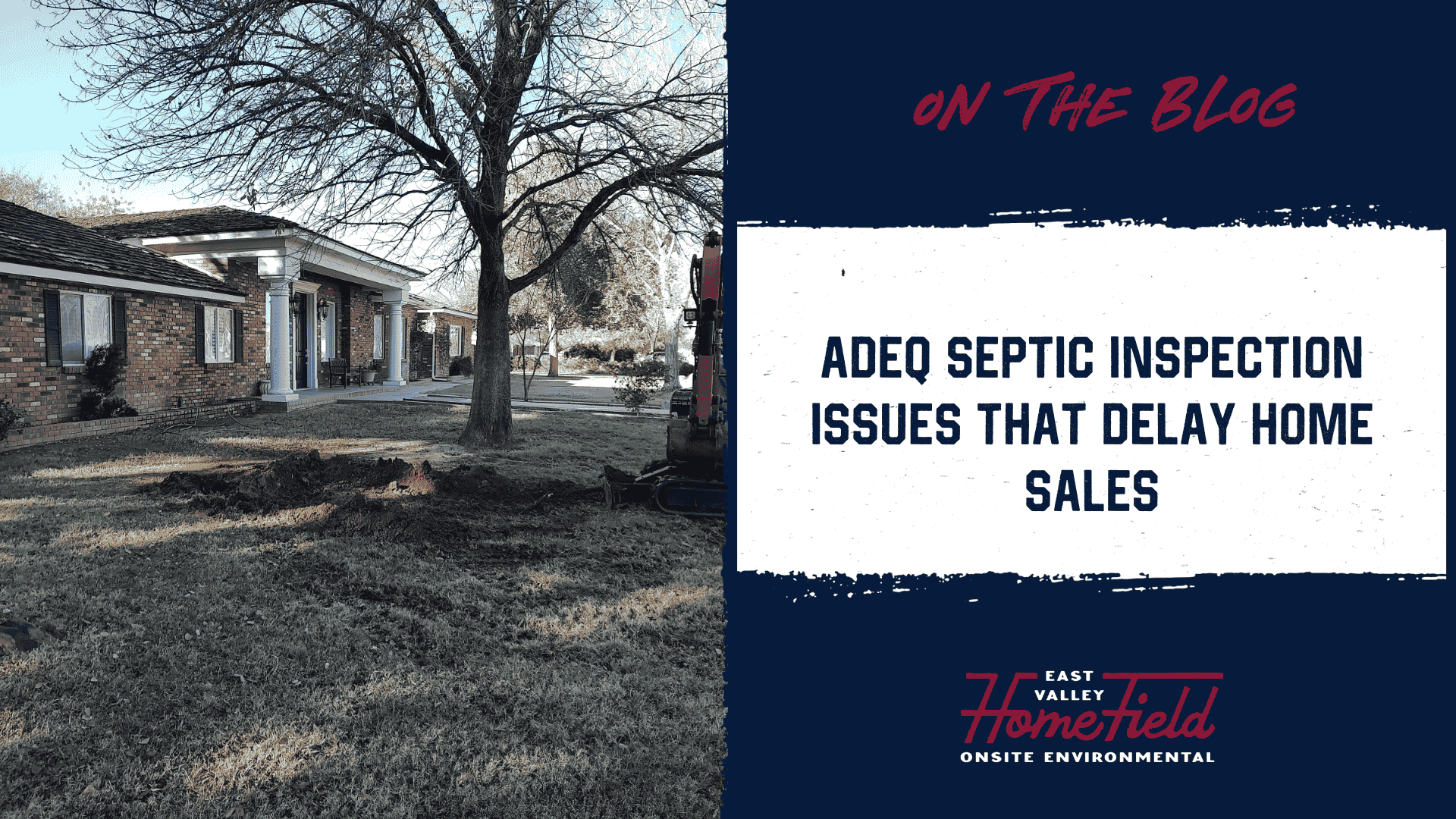
ADEQ Septic Inspection Issues That Delay Home Sales
March 12, 2026
A septic inspection home sale issue can quickly slow down or derail a real estate transaction. In Arizona, septic systems must meet standards set by Arizona Department of Environmental Quality, often referred to as ADEQ. When problems surface during an inspection, closings can be delayed while repairs, documentation, or approvals are addressed.
Understanding the most common septic inspection issues helps buyers and sellers avoid unnecessary stress during escrow.
Why Septic Inspections Impact Real Estate Closings
Septic inspections are designed to confirm that a system is functioning properly and meets ADEQ requirements. Lenders, buyers, and regulators rely on these inspections to identify risks before ownership changes hands.
When issues are found late in the process, repairs and approvals can extend timelines. In some cases, unresolved problems force renegotiations or pause the sale entirely.
Common ADEQ Septic Inspection Issues
Several problems show up repeatedly during septic inspections tied to home sales.
A system that has not been maintained is one of the biggest red flags. Tanks that are overdue for pumping can fail inspection due to excessive solids or poor flow.
Structural concerns are another common issue. Cracked tanks, damaged baffles, or compromised access lids often require repair before approval.
Drainfield problems also delay closings. Signs of surfacing effluent, soil saturation, or improper drainage indicate system failure or overload.
Missing or incomplete records can slow things down as well. ADEQ inspections often require permits, as built documentation, or prior repair history. When paperwork is unavailable, additional steps may be needed before the inspection can be finalized.
Timing Mistakes That Cause Delays
One of the biggest mistakes sellers make is waiting too long to schedule a septic inspection. When inspections are booked late in escrow, there is little room to address unexpected findings.
Buyers can also experience delays when inspection results are not reviewed promptly or follow up work is postponed. Septic issues rarely resolve themselves without action.
Planning inspections early creates time to make corrections without disrupting the closing timeline.
How Buyers and Sellers Can Protect the Sale
A proactive approach reduces the risk of delays. Scheduling a septic inspection before listing gives sellers time to handle maintenance or repairs in advance.
Buyers benefit from working with local inspection providers who understand ADEQ requirements and regional conditions. Clear communication, proper documentation, and timely follow up help keep transactions moving.
A septic inspection home sale does not have to be a roadblock. With preparation and awareness, it becomes a step that protects everyone involved.

Heidi
Heidi is the marketing and business development powerhouse at HomeField Onsite Environmental. She’s all about bringing the onsite wastewater world to life with knowledge, humor, and straight-up valuable insights—helping customers make the best decisions for their systems!
Other Top Posts:

Tanya Wilson Entreprenista 100
Being named to the Entreprenista 100 is not about hype or titles….
Restaurants and Grease Pumping
Why Restaurants Can’t Skip Grease Pumping Restaurant grease pumping plays a critical…
Sign Up For Our Newsletter
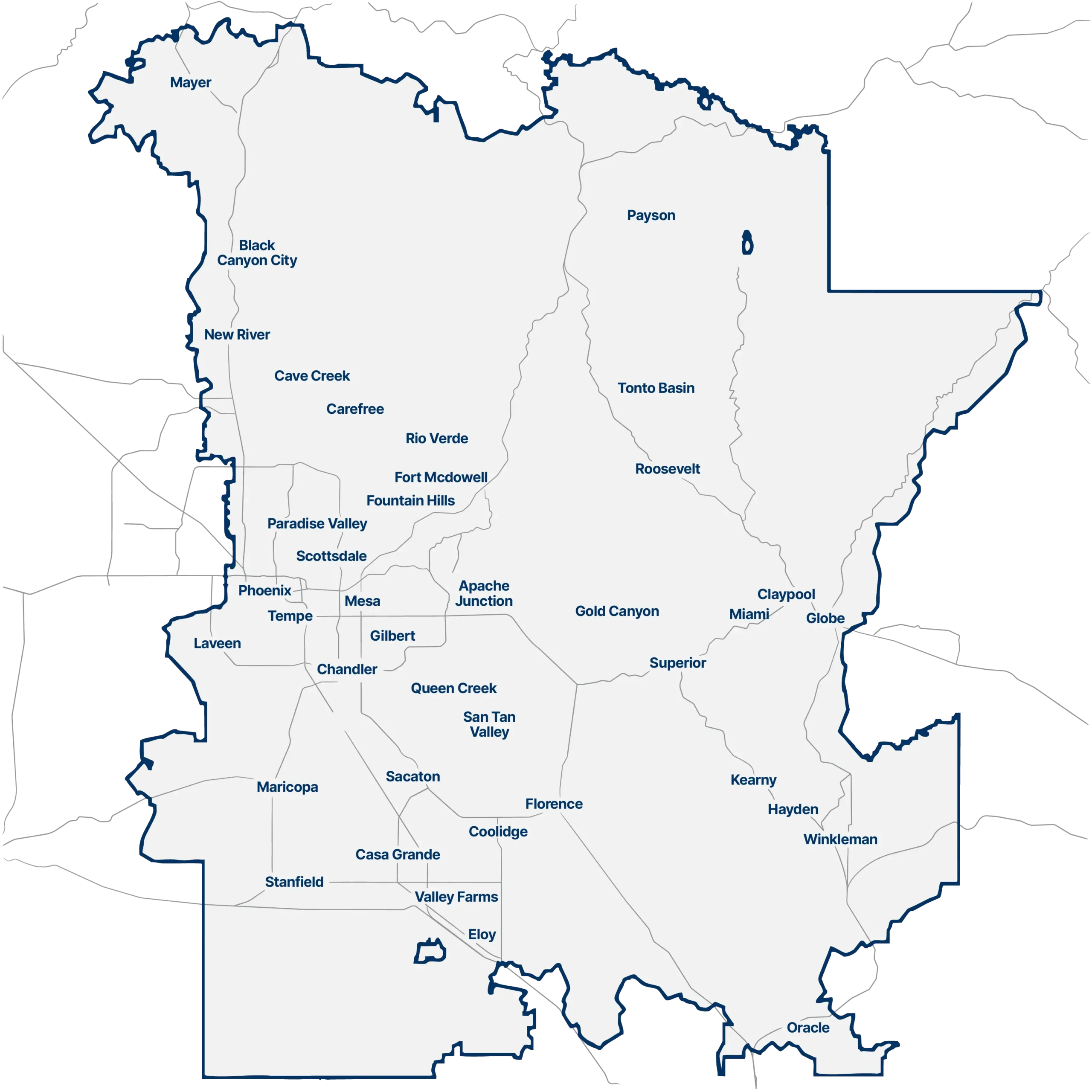
OUR SERVICE AREA
WE LOVE THE EAST VALLEY
We make the East Valley our home base, and proudly serve the cities and areas on this side of town, including: