STOP! Do NOT “Acid Treat” Your Seepage Pits
August 25, 2025
The Hidden Dangers of Acid Treating Seepage Pits: Why It’s Not Worth the Risk
Maintaining your septic system is critical for protecting both your property and the environment. One method that continues to pop up is acid treating seepage pits—a practice that may look like a fix but causes more harm than good. Before you consider dumping acid into your system, here’s what you need to know.
What Is Acid Treating?
Acid treating means pouring strong chemical acids into seepage pits or other disposal fields to try to restore drainage. While it might seem like a fast solution, it’s expensive, short-lived, and highly damaging. If your seepage pit is failing, the problem isn’t surface-level. The disposal field is likely saturated and needs to be replaced—not chemically flushed.
Why Acid Treating Seepage Pits Is a Bad Idea
Soil Damage
Acid destroys the natural pH balance in soil. Once altered, the ground can no longer support plant life, which leads to larger issues like erosion and habitat loss.
Groundwater Contamination
Those same acids don’t stay put. They seep down and pollute groundwater sources, impacting wells and the wider ecosystem that relies on clean underground water.
Kills Surrounding Vegetation
We’ve seen acid treatments wipe out entire trees—some more than 20 feet from the seepage pit. What was once green space becomes a dead zone. No shrubs, No grass. and no roots to hold the soil.
Environmental Risk
Acid doesn’t stop at your yard. It can move with water runoff into streams, ponds, and local water systems. The damage it does to aquatic life and natural environments is serious.
It’s Illegal
Because of the environmental damage, acid treating seepage pits is illegal in most jurisdictions. If it can burn a hole through your clothes, it probably shouldn’t be going into the ground.
Don’t Be Fooled by Quick Fixes
If you look into the inspection port of your seepage pit and see water standing near the top, that is a major red flag. A properly functioning seepage pit never needs pumping. If it holds water, it’s saturated or clogged. There is no magic cleaner or shortcut. The pit needs to be replaced.
Save your money and call HomeField. We’ll assess the situation honestly and walk you through your options, without risking your soil, water, or trees in the process.
How to Prevent Seepage Pit Failure
Regular Inspections
Routine septic inspections and pumping are the best ways to catch small issues before they turn into big ones.
Be Mindful of What You Flush
Cutting back on chemicals and grease goes a long way in protecting your system. Biomat buildup from waste is normal, but we can slow it down with better daily habits.
Use Septic-Safe Products
There are eco-friendly products that help manage build-up without damaging your system or the environment. These can support system health without destructive side effects.
Acid treating seepage pits might seem like a clever workaround, but it’s not. It’s harmful, short-term, and illegal in many places. At HomeField Onsite Environmental, we’re here to give you real solutions that protect your home and the environment.

Heidi
Heidi is the marketing and business development powerhouse at HomeField Onsite Environmental. She’s all about bringing the onsite wastewater world to life with knowledge, humor, and straight-up valuable insights—helping customers make the best decisions for their systems!
Other Top Posts:

Tanya Wilson Entreprenista 100
Being named to the Entreprenista 100 is not about hype or titles….
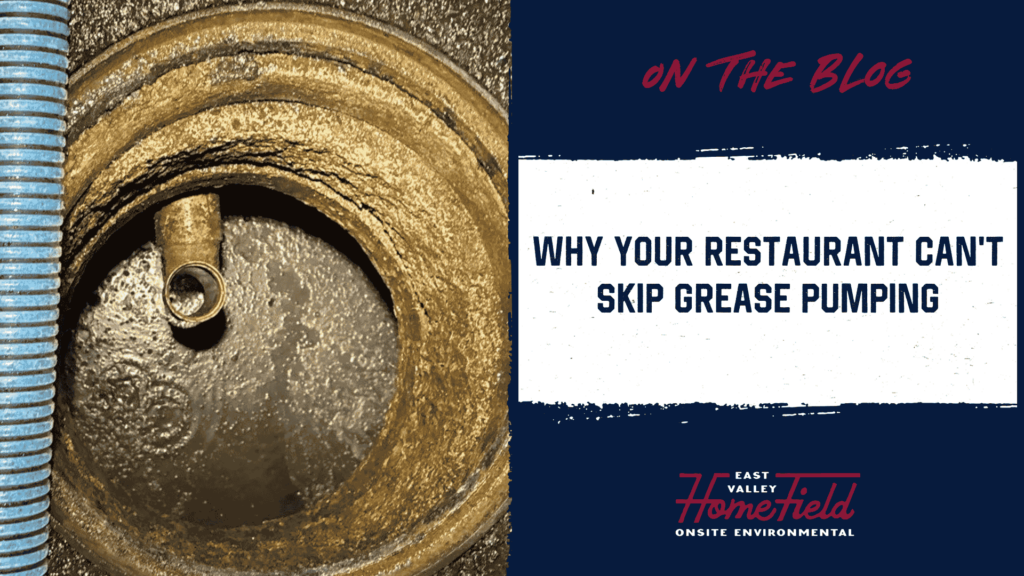
Restaurants and Grease Pumping
Why Restaurants Can’t Skip Grease Pumping Restaurant grease pumping plays a critical…
Sign Up For Our Newsletter
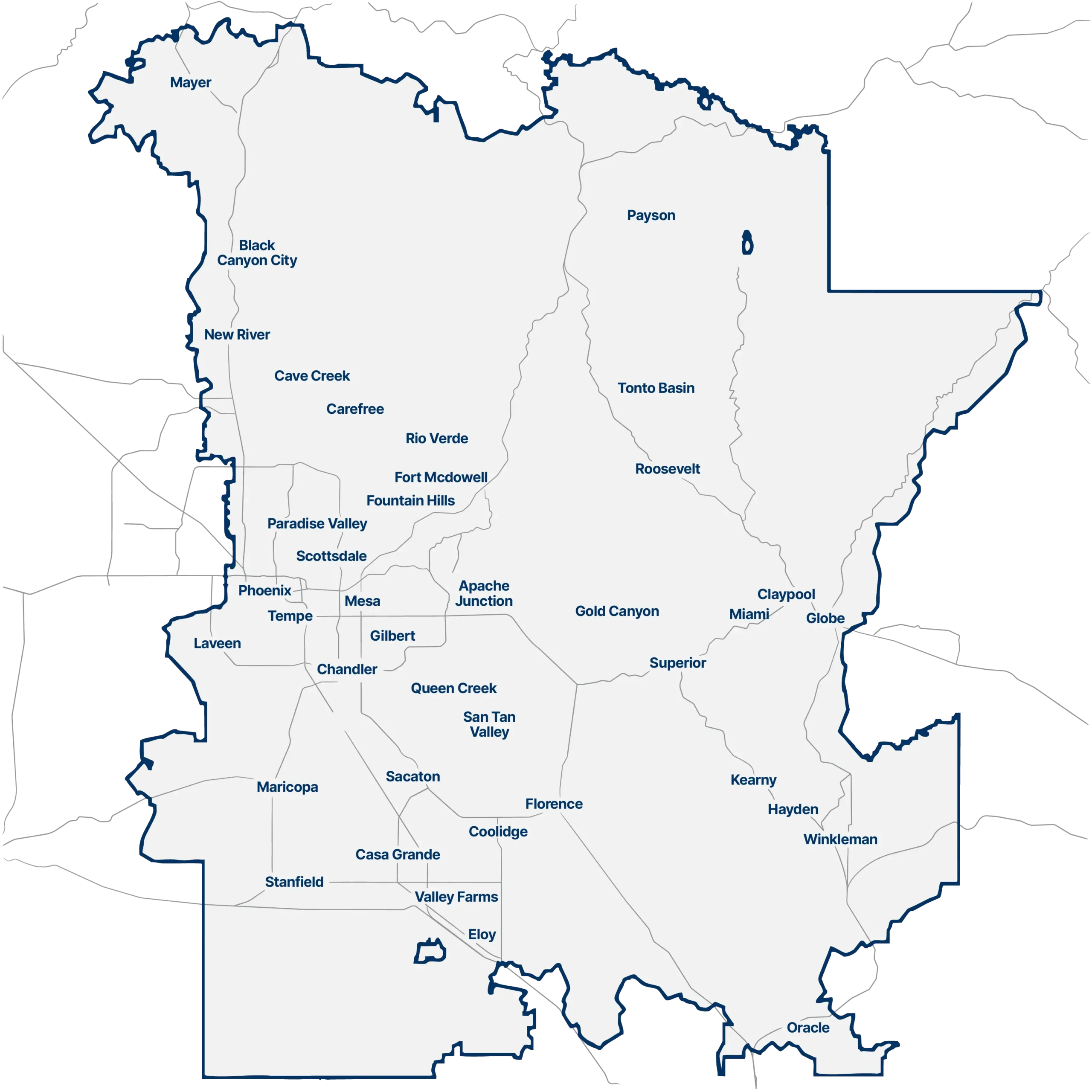
OUR SERVICE AREA
WE LOVE THE EAST VALLEY
We make the East Valley our home base, and proudly serve the cities and areas on this side of town, including: