
Orangeburg Sewer Pipe
August 21, 2025
Replacing Orangeburg Sewer Pipes: What Homeowners Need to Know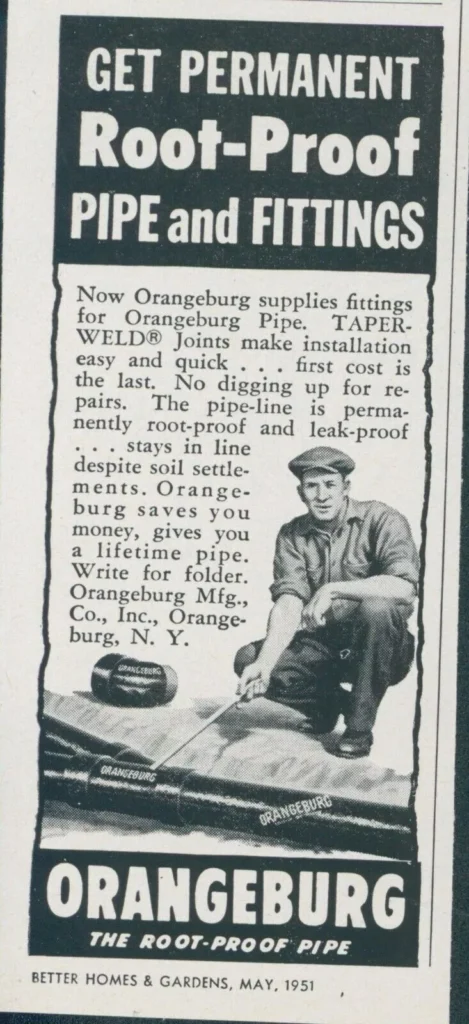
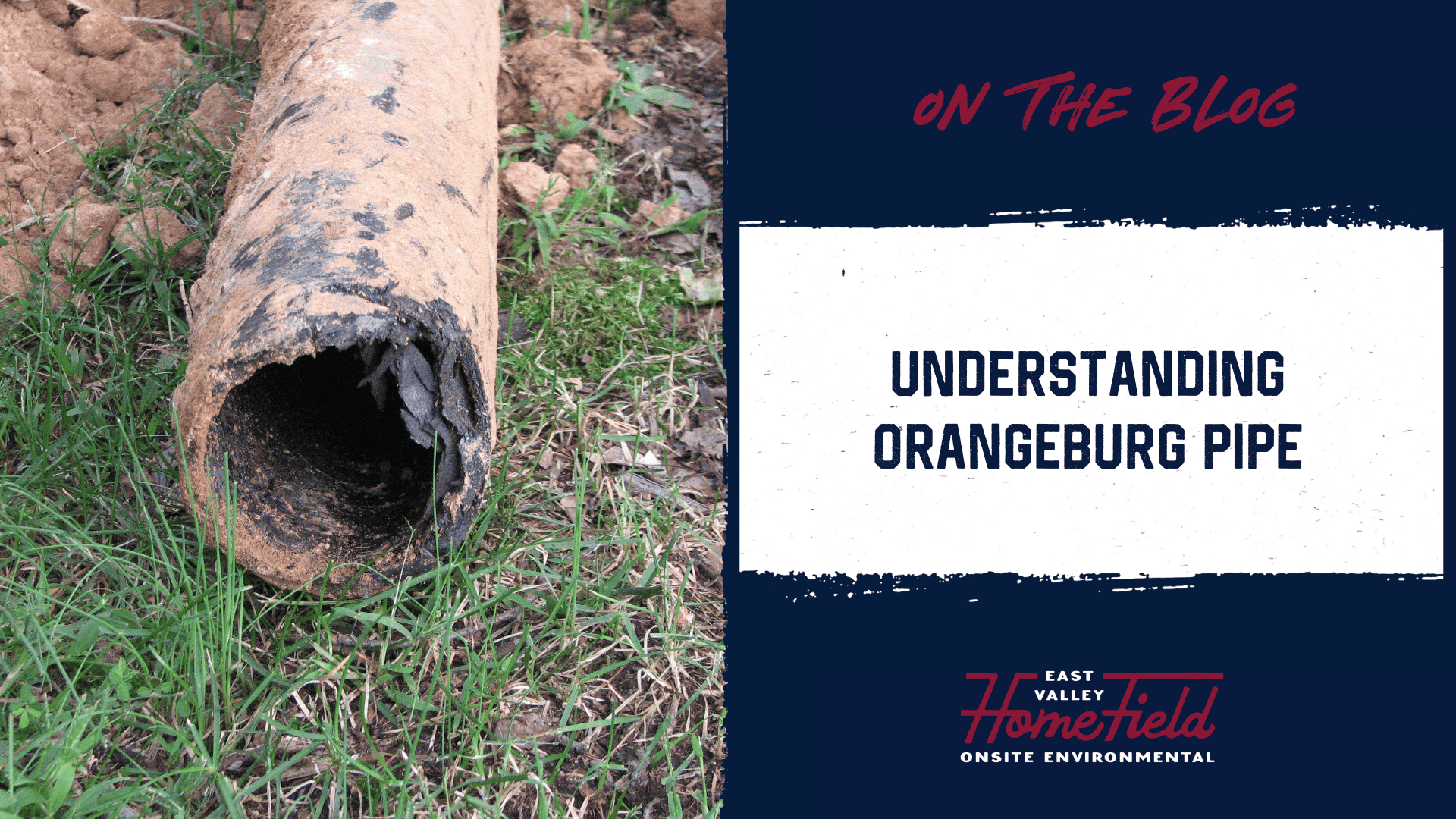
If your home was built between the 1940s and 1970s, there’s a good chance your sewer line may be made of Orangeburg pipe. While it was once a common material, Orangeburg hasn’t stood the test of time—and homeowners across Arizona are feeling the effects.
Orangeburg pipe is made from compressed wood fibers and pitch. It was popular because it was lightweight, easy to install, and cost-effective at the time. But the reality is, it was never built to last.
Why Orangeburg Pipes Are a Problem
The average lifespan of Orangeburg pipe is about 30 to 50 years. That means most systems that still have it are already well beyond their prime. As it ages, Orangeburg begins to warp, collapse, and allow roots to break through. It also softens when exposed to moisture, which is a big issue considering it’s buried underground and carrying wastewater.
If you’ve been dealing with recurring backups, slow drains throughout your home, bad smells near plumbing fixtures, or soft or sunken spots in your yard, it may be time to investigate what’s underground.
A video inspection of your sewer line is the best first step. It allows us to confirm the condition of your line and whether Orangeburg is to blame.
What Are the Options for Replacement?
If Orangeburg is found, replacement is the best option. The good news is, today’s materials and techniques offer better performance and longer life than ever before.
Most homeowners go with either PVC or HDPE pipe. PVC is tough, long-lasting, and resistant to corrosion. HDPE is flexible, highly durable, and great for areas where the ground shifts.
For homeowners looking to minimize digging and yard disruption, trenchless replacement methods may be the answer. One option is pipe bursting, where a new pipe is pulled through the old one as the original line is broken apart. Another is pipe lining, where a resin-coated sleeve is inserted and cured to form a new pipe within the existing one. Not all systems qualify for lining, but it’s an option if the original line hasn’t collapsed.
Each method has its own pros, and our team can help determine what’s best based on the layout of your property, the extent of damage, and your long-term needs.
Is It Time to Replace?
If you know your home was built during the Orangeburg era and you’re starting to see symptoms of sewer trouble, don’t wait. These pipes don’t usually fail gradually. When they go, it’s messy, stressful, and expensive. Replacing the line before it fails completely can save you time, money, and a major headache.
At HomeField Onsite Environmental, we help homeowners make smart decisions about their sewer systems every day. From inspections to full replacements, we handle it all with honesty and precision.
If you’re not sure what kind of pipe your home has or you’ve been putting off an inspection, let’s get it checked out. You’ll gain peace of mind knowing exactly what’s happening underground.

Heidi
Heidi is the marketing and business development powerhouse at HomeField Onsite Environmental. She’s all about bringing the onsite wastewater world to life with knowledge, humor, and straight-up valuable insights—helping customers make the best decisions for their systems!
Other Top Posts:

Tanya Wilson Entreprenista 100
Being named to the Entreprenista 100 is not about hype or titles….
Restaurants and Grease Pumping
Why Restaurants Can’t Skip Grease Pumping Restaurant grease pumping plays a critical…
Sign Up For Our Newsletter
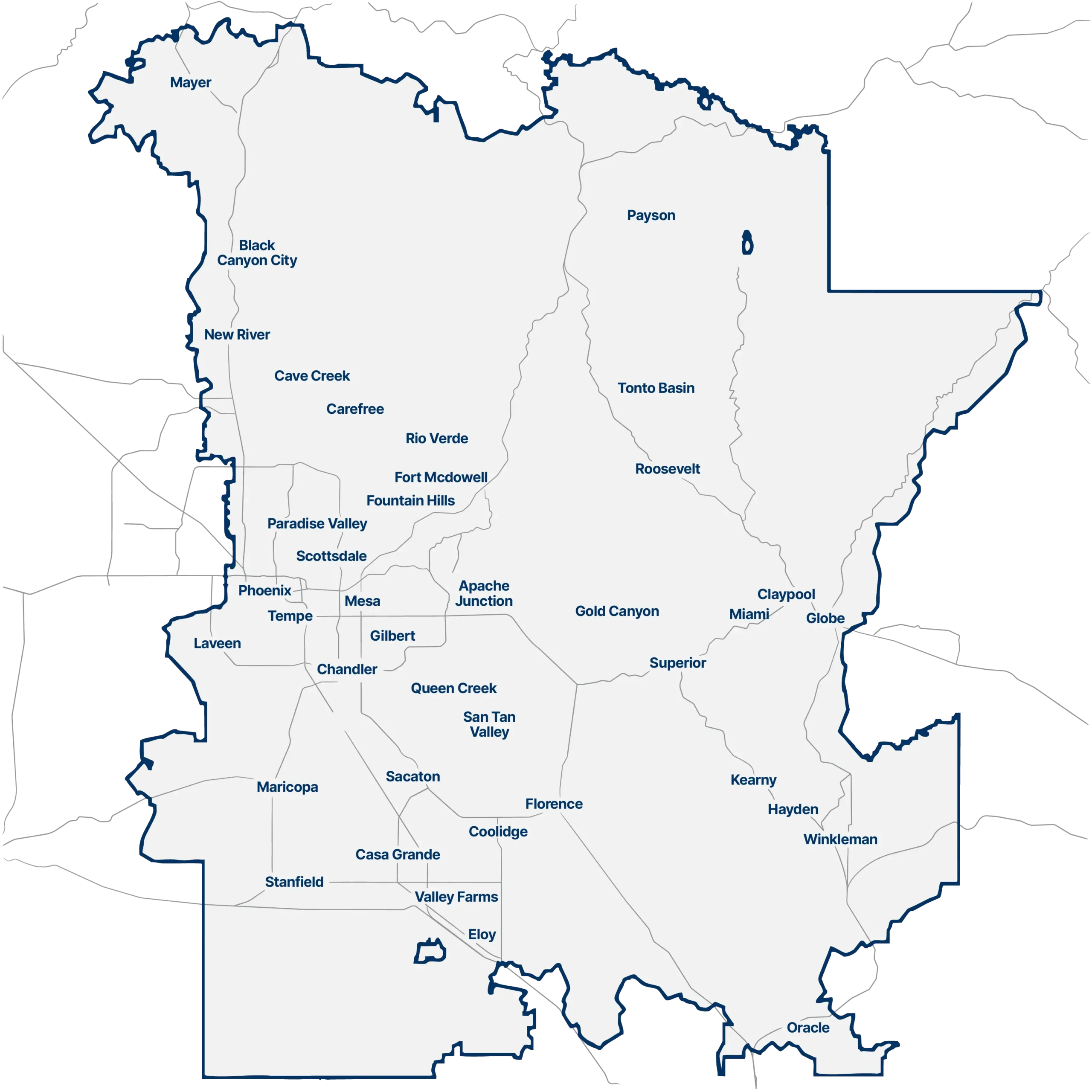
OUR SERVICE AREA
WE LOVE THE EAST VALLEY
We make the East Valley our home base, and proudly serve the cities and areas on this side of town, including: